
Most applicants ask the wrong question about essay review. They ask whether the draft is good. Someone who has read admissions files asks something narrower: does this page put the writer in the room, and does it manage that in the first three sentences?
That gap is what a real review closes. Here is what an experienced reader changes in a draft, what an honest one refuses to touch, and how to tell the two apart before you pay anyone.
Key Takeaways
- A real review works on structure, the opening, specificity, and the distance between what you meant and what the page actually says.
- Legitimate reviewers edit and advise. Common App requires you to certify that your application is your own work, and it lists admission revocation among the possible consequences of a false certification.
- Send a complete rough draft, not an outline and not a version you have already polished for three weeks.
- Two or three rounds do most of the work. Later passes tend to sand the voice down rather than sharpen the argument.
- ExceptionalGrad publishes prices on its product pages. Undergraduate personal essay editing is $345 for three rounds and $495 for unlimited rounds, as of August 2026.
What a real college essay review changes
Four things, roughly in the order they matter.
Structure. First drafts usually bury the real subject in the third paragraph. You needed those opening paragraphs to find your way in, and once you have written them they feel load-bearing. A reviewer reading cold will tell you where the essay actually starts, which is rarely where you started writing. Cutting the opening two paragraphs is the most common structural fix, and the one applicants resist hardest.
The opening. Readers move fast in peak season. Your first two sentences decide whether the rest gets read closely or skimmed. A good reviewer does not hand you a better hook. They point at the sentence already sitting in your draft that should have been first.
Specificity. Generic claims are the default failure mode. “I learned resilience” tells a reader nothing, because every applicant learned resilience. A reviewer marks each abstraction and asks for the moment underneath it: the object, the room, the exact thing someone said. Most of the weight a draft gains comes from that exchange.
The gap between what you meant and what the page says. This is the part you cannot do alone. You reread your own draft with all your context already loaded. A stranger reads only the words on the page. When a reviewer says your father sounds angry in paragraph two and you meant he was frightened, you have found something no amount of rereading would have shown you. Reading strong essays with the analysis attached trains the same instinct on someone else’s writing first.

What a review does not do
It does not write your essay, and it does not rewrite your sentences into someone else’s voice.
That is not a marketing position. It is the rule you sign. Submitting through Common App means certifying that everything in the application, including supporting materials, is your own work, factually true, and honestly presented. The same affirmation spells out the possible disciplinary consequences of a false certification, and they include admission revocation, expulsion, and revocation of course credit, grades, and degree.
Common App is just as direct about the essay itself. Its personal essay policy states that the essay must be your own work, tells applicants not to use another writer’s work, and names AI writing software explicitly.
So the working line is simple. A reviewer can tell you a paragraph is not landing, explain why, and give you the question to answer instead. A reviewer cannot hand you the replacement paragraph. Anyone offering to draft it for you is selling you a risk you carry alone, on a certification you signed.
What to send, and when in the cycle
Send a complete rough draft. Not an outline, not a pile of notes, and not something you have already polished for three weeks. Reviewers cannot fix a structure you have not committed to, and a polished draft burns rounds re-litigating choices you already sweated over.
Send four things with it:
- the prompt you are answering, in full
- the school and program, if this is a supplemental essay
- the word limit
- one sentence naming what you want the reader to understand about you
Timing matters more than most applicants expect. The 2026-2027 Common App opened on August 1, 2026, and early action and early decision deadlines cluster in the first half of November. Work backward from there. A first draft reviewed in August or September leaves room for genuine revision. A draft sent in late October leaves room for proofreading and not much else. Whether you need outside help at all is a separate question, and we have answered it honestly, including the cases where a consultant is not worth the money.
How many rounds are actually useful
Two to three, for a single essay.
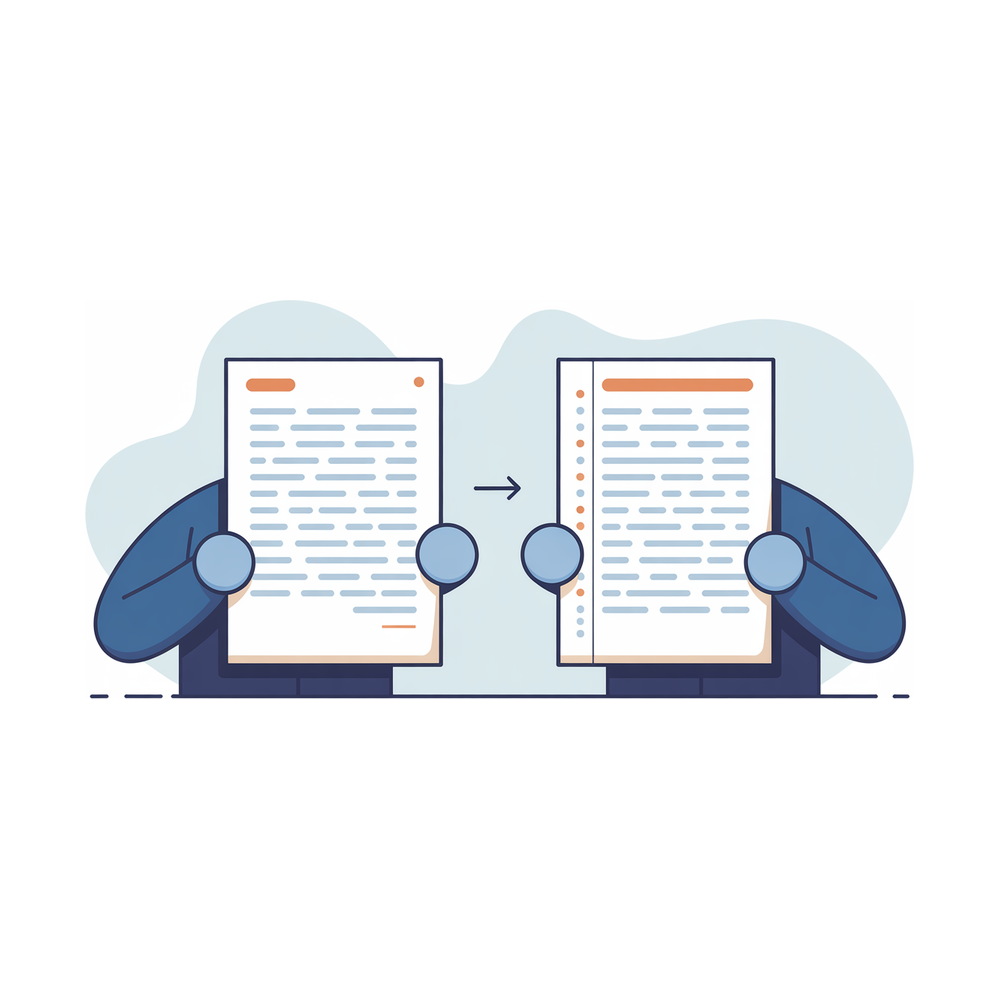
Round one is structural. What is this essay about, where does it start, what gets cut. Round two works at paragraph level: sequencing, transitions, and the places where you told the reader something instead of showing it. Round three is line editing and getting under the word limit without losing the good specifics.
After that, returns drop off quickly. Fourth and fifth passes usually sand the voice down rather than sharpen the argument. A reviewer who keeps finding new problems in round four may be justifying a package. Unlimited rounds earn their price when you are editing several essays at once or your timeline is unpredictable, not because draft ten beats draft three.
ExceptionalGrad’s published turnaround is 48 to 72 hours, which means three rounds fit comfortably inside a two-week window if you send the first draft promptly.
What a college essay review costs
Prices vary by scope, by the number of rounds, and by whether you are buying essay editing or a full application review. Here is what ExceptionalGrad charges, taken from the live product pages as of August 2026.
| Undergraduate service | Rounds | Price |
|---|---|---|
| Personal essay editing | 3 edits | $345 |
| Personal essay editing | Unlimited | $495 |
| Secondary essay editing, 1 university | 3 edits | $395 |
| Full application review | 3 edits | $1,450 |
| Full application review | Unlimited | $1,850 |
Prices are re-checked at publication and can change, so confirm on the product page before you buy. The point of showing them here is not the specific numbers. It is that you can see them at all, without a sales call.
How to judge a reviewer
Three checks, in order.
Named credentials you can verify. “Former admissions officers” with no names attached is not a credential. Look for a team page listing real people, real degrees, and specific roles, then confirm that the person reviewing your undergraduate essay actually worked in undergraduate admissions. A degree from a selective school is not the same as having read files there.
Editing, not writing. Read the service description closely. If the language is “we craft your essay” or “we write it for you,” stop reading. That service is offering to break the affirmation you sign, and you are the one who signs it.
Visible pricing. A reviewer who will not name a price until you are on a call is managing your expectations, not your essay. Published rates are checkable, comparable, and hard to walk back. Our college application consulting pairs applicants with advisors who have worked inside admissions offices and who edit without replacing your voice.
Frequently Asked Questions
Who can check my college essay?
A teacher, a counselor, or a professional reviewer can all check it, and each catches different things. Teachers catch grammar. Counselors catch fit. Someone who has read admissions files catches the structural problems that cost you the close read. Use more than one reader, for different jobs.
Can I pay someone to review my essay?
Yes. Paying for editing and feedback is allowed; paying someone to write or rewrite the essay is not. Common App requires you to certify that the application is your own work, and it lists admission revocation among the possible consequences. Buy a reader, never a writer.
Can I ask ChatGPT to review my college essay?
Not to write or rewrite it. Common App’s policy states the essay must be your own work and names AI writing software directly. Asking AI for feedback is a grey area, and a weak one, because it flattens the specifics that make a draft yours. Use a human reader.
How much does a college essay review cost?
Prices vary by scope and by how many rounds you get. ExceptionalGrad publishes its rates: undergraduate personal essay editing is $345 for three rounds and $495 for unlimited rounds, as of August 2026. Full application review costs more. Any reviewer hiding pricing until a sales call is a warning sign.
Get your essay reviewed this cycle
Applications opened August 1, and early deadlines arrive in November. If you want an advisor who has worked inside an admissions office to read your draft while there is still time to change it, book a free consultation.